

Arriving in Cusco is not just about landing in a new destination. It is about entering a high-altitude environment where your body reacts immediately, whether you expect it or not.
From daily experience coordinating arrivals in Cusco, we see the same situation repeatedly.
Travelers arrive, feel fine at the airport, and assume they can continue normally. A few hours later, once they reach their hotel or start walking through the city, fatigue, shortness of breath, or headaches begin to appear.
At that moment, the question changes.
It is no longer “Where should I stay?”
It becomes “Why didn’t I plan this better?”
This is exactly why the decision between staying in Cusco or going directly to the Sacred Valley matters more than most travelers expect.
What Actually Happens After You Land in Cusco
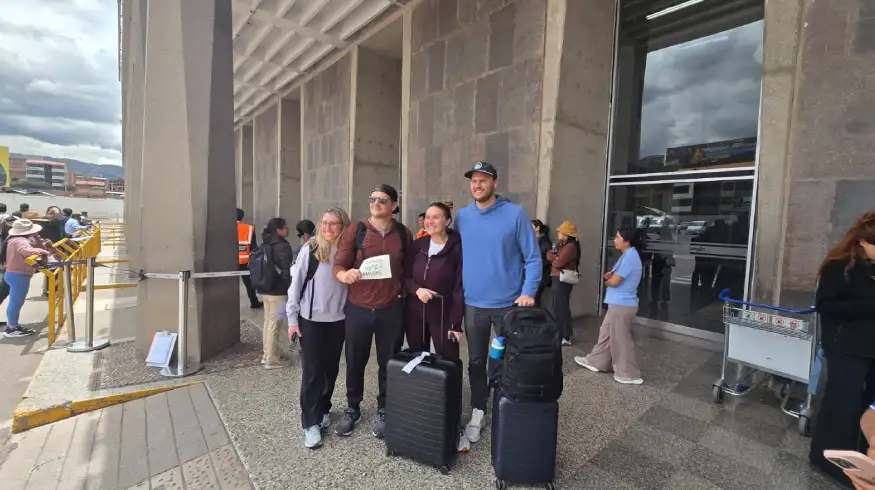
Cusco sits at around 3,400 meters above sea level. That means your body begins adjusting the moment you land.
In real situations, this is what we consistently observe:
Travelers who stay in Cusco often try to walk, explore, or even go out for dinner the same day.
Within hours, simple activities feel heavier than expected.
Climbing a short hill or even walking a few blocks can feel physically demanding, especially after a long flight.
In contrast, travelers who go directly to the Sacred Valley usually arrive at a lower altitude, rest earlier, and experience a noticeably calmer first night.
The Strategic Advantage of Going Directly to the Sacred Valley
This is where experienced travelers make a different decision.
Instead of following the traditional plan, they move directly from the airport to the Sacred Valley.
Not because it is faster, but because it is smarter.
From an operational perspective, we consistently see that travelers who choose this option:
- arrive less fatigued
- sleep better the first night
- start their itinerary with more energy
Because of this, many visitors now organize a private transfer from Cusco Airport to the Sacred Valley, avoiding unnecessary time at higher altitude during the first hours.
When Staying in Cusco First Becomes a Mistake
This is something most blogs do not explain clearly.
Staying in Cusco is not wrong. But it becomes a mistake when:
- you arrive early and stay active
- you plan tours immediately
- you underestimate altitude
In these cases, the first day becomes physically harder than expected, and it affects the rest of the itinerary.
From daily operations, we often see travelers who later adjust their plans because they did not anticipate how altitude would affect them.
When Staying in Cusco First Still Makes Sense
There are situations where staying in Cusco is still the right choice.
If you arrive late at night, the two-hour journey to the Sacred Valley may not be ideal. In that case, resting in Cusco and continuing the next morning is more practical.
Also, if your main interest is exploring Cusco immediately, staying in the city allows easier access to nearby attractions.
The key difference is not the location.
it is understanding your arrival conditions.
How This Decision Affects Your Machu Picchu Trip
This decision becomes critical when Machu Picchu is part of your itinerary.
Travelers staying in the Sacred Valley, especially in Ollantaytambo, are already positioned near the train station. This reduces travel time and eliminates the need for very early departures from Cusco.
On the other hand, travelers staying in Cusco must wake up early and organize a transfer with strict timing.
From experience, this is one of the moments where poor planning creates unnecessary stress.
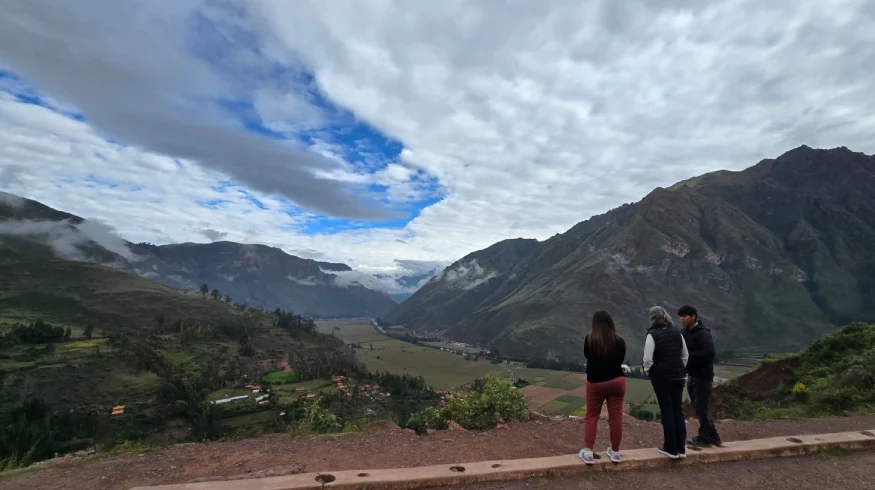
Local Insight: The Pattern We See Every Day
- From daily coordination of transportation in Cusco, the pattern is very clear.
- Travelers who go directly to the Sacred Valley usually start their trip smoothly.
- Travelers who stay in Cusco without planning often experience a more difficult first day.
- The difference is not dramatic, but it is consistent.
- And over the course of a multi-day itinerary, that difference becomes significant.
Final Answer: Cusco or Sacred Valley First?
- If your goal is to start your trip with less fatigue, better sleep, and smoother adaptation, going directly to the Sacred Valley is usually the better option.
- If your arrival time is late or your plan requires staying in Cusco, then spending the first night in the city can still work.
The important thing is not following a default itinerary.
it is making a decision based on real conditions.
If you want to avoid the physical stress of altitude and start your trip more comfortably, many travelers choose to organize a private transfer from Cusco Airport to the Sacred Valley, allowing them to move directly to a lower altitude and begin their experience with better energy and less uncertainty.
FAQs
For most travelers, staying in the Sacred Valley first helps with acclimatization because the altitude is lower than Cusco.
Because it reduces altitude stress, improves sleep, and allows a smoother start to the trip.
Yes. Even a difference of 500 to 700 meters can noticeably affect how your body adapts.
Yes, many travelers do this and find it more comfortable than staying in Cusco first.
If you arrive late at night or want to explore Cusco immediately, staying one night in the city can be a good option.
Yes, especially if you plan to take the train from Ollantaytambo, as it simplifies logistics and reduces travel time.