
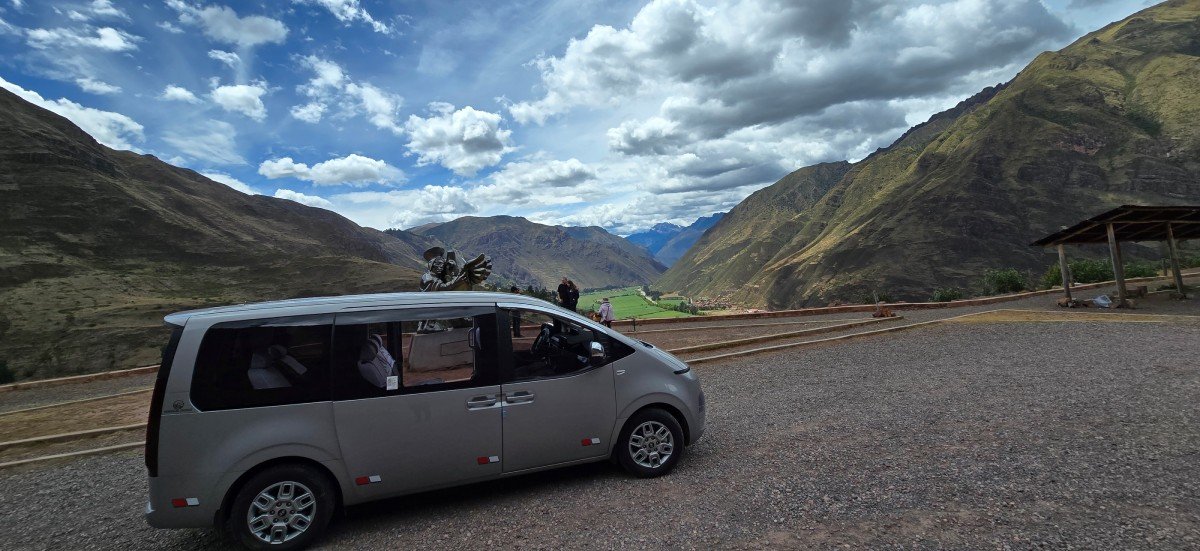

The Sacred Valley is often described as a route between Cusco and Machu Picchu. In reality, it functions more like a complex network of mountain towns, train stations, archaeological sites, and narrow Andean roads where timing and coordination shape the entire travel experience.
Many travelers assume transportation in the valley is simple because distances on the map appear short. However, once they begin moving between destinations such as Pisac, Urubamba, Ollantaytambo, Maras, or Chinchero, they quickly realize that travel in the Andes depends far more on logistics than on distance itself.
Understanding how transportation works in the Sacred Valley allows travelers to avoid rushed schedules, missed connections, and unnecessary stress while moving through one of the most important cultural regions in Peru.
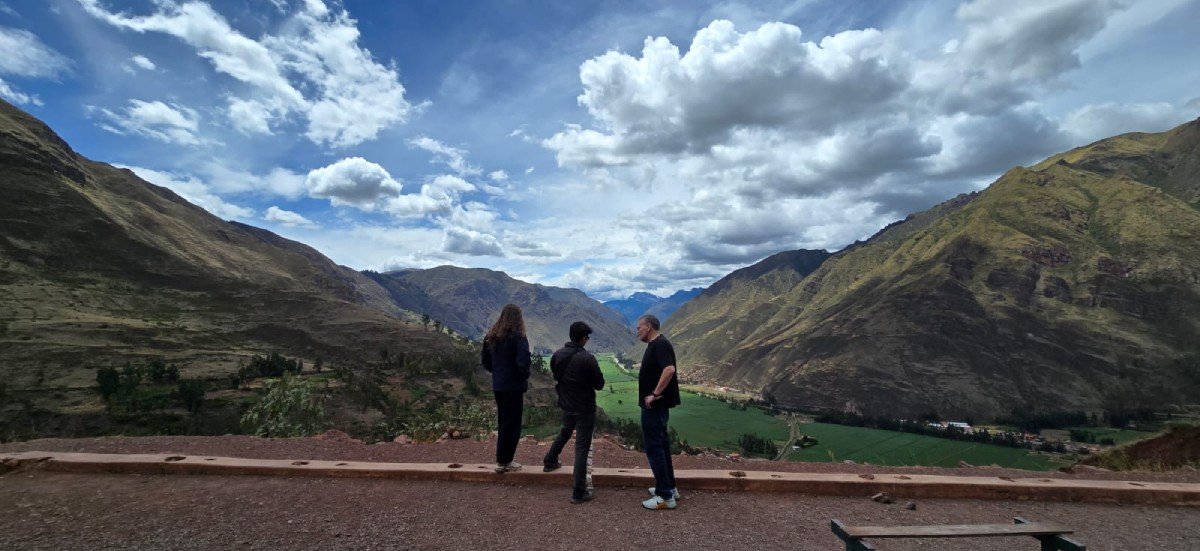
Why Transportation Feels Different in the Sacred Valley
Unlike large cities where transportation systems operate with fixed structures, the Sacred Valley depends on interconnected rural roads that pass through mountains, agricultural areas, and small towns.
Although destinations may appear close geographically, travel conditions vary depending on weather, traffic, local events, and train schedules connected to Machu Picchu.
This is why transportation planning becomes far more important than many travelers initially expect.
In the Sacred Valley, the challenge is not simply moving between locations.
it is coordinating movement efficiently across the Andes.
The Most Common Transportation Mistake Travelers Make
One of the most frequent mistakes travelers make is treating transportation and sightseeing as separate parts of the itinerary.
In practice, both are deeply connected.
A delay leaving Cusco can affect arrival times in Ollantaytambo. Poor coordination between archaeological visits and train departures can create unnecessary pressure throughout the day. Even small timing errors become more noticeable because routes in the valley involve long curves, changing elevations, and shared roads.
For this reason, experienced travelers often organize the Sacred Valley as a complete logistical route rather than a sequence of isolated stops.
How Travel Timing Shapes the Entire Experience
Timing plays a central role in the Sacred Valley because many itineraries eventually connect with Machu Picchu.
Travelers moving toward Ollantaytambo need to coordinate transportation with train schedules, hotel check-ins, and archaeological visits along the route. What appears manageable in theory often becomes more demanding once travelers encounter real Andean travel conditions.
This is especially important for travelers arriving directly from Alejandro Velasco Astete International Airport. Many visitors choose to continue directly into the Sacred Valley instead of staying overnight in Cusco because the lower altitude allows for a smoother acclimatization process.
In these situations, transportation becomes more than a transfer.
it becomes part of the travel strategy itself.
Why Flexibility Matters More Than Speed
One of the biggest misconceptions about traveling through the Sacred Valley is the idea that speed is the most important factor.
In reality, flexibility creates a much better experience than rushing between destinations.
Road conditions change frequently, scenic viewpoints often deserve additional time, and many travelers underestimate how physically tiring altitude and long drives can feel.
Because of this, rigid itineraries usually create unnecessary stress.
A well-planned route allows travelers to adapt naturally while maintaining control over important connections such as train departures or hotel arrivals.
The Real Importance of Local Coordination
The Sacred Valley operates differently from destinations where transportation is fully standardized.
Road updates, seasonal conditions, local traffic patterns, and train schedules change constantly. Travelers who rely only on generic online information often underestimate how dynamic logistics can become in the Andes.
This is why local coordination plays such an important role.
Drivers and operators familiar with the region understand which routes work best at different times of day, how to coordinate train arrivals, and how to avoid unnecessary delays during high travel seasons.
In practical terms, this local knowledge often determines whether the experience feels smooth or stressful.
Why More Travelers Go Directly from Cusco Airport to the Sacred Valley
An increasing number of travelers now choose to continue directly from Cusco Airport into the Sacred Valley instead of spending their first night in Cusco city.
The main reason is altitude.
Towns such as Urubamba and Ollantaytambo sit lower than Cusco, allowing many visitors to adapt more comfortably during the first days of the trip.
At the same time, this strategy creates a more efficient route toward Machu Picchu because travelers are already positioned closer to the train stations and archaeological sites of the valley.
When transportation is coordinated correctly, the transition from airport arrival to Sacred Valley exploration becomes significantly smoother.
Final Insight: Transportation Defines the Rhythm of the Sacred Valley
Many travelers initially focus only on destinations inside the Sacred Valley.
However, after experiencing the region, they realize that transportation logistics shape almost every part of the journey.
Efficient coordination reduces stress, improves timing, and creates a more flexible experience across the Andes.
In the Sacred Valley, transportation is not just about moving between places.
it defines how the entire journey feels.
If you want smoother logistics, better timing coordination, and a more flexible experience across the Andes, many travelers choose to organize their Sacred Valley transportation with local operators familiar with real travel conditions in Cusco.
(FAQs)
Not necessarily, but coordination becomes important when combining archaeological visits, train schedules, and hotel transfers.
Because the lower altitude often helps travelers acclimatize more comfortably.
Travel times vary depending on the route, destination, and traffic conditions.
For many travelers, yes, because it offers direct train connections to Machu Picchu.
Because routes, schedules, and travel conditions in the Andes can change frequently.