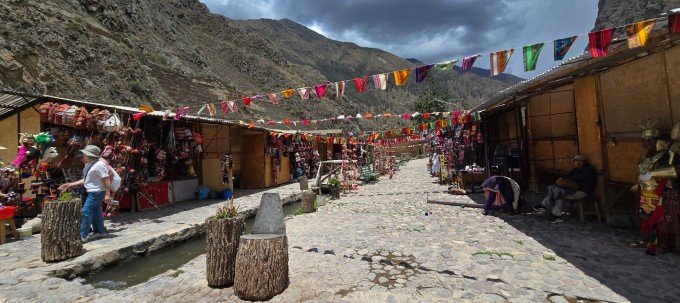

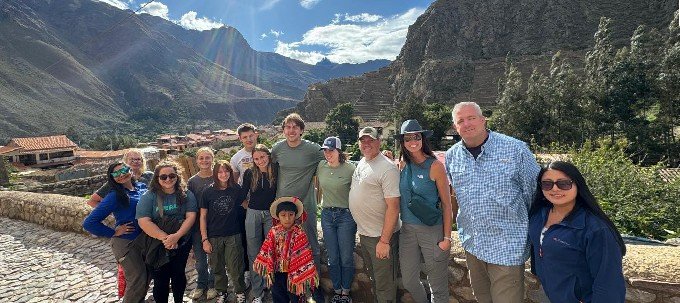
Ollantaytambo is not just a short stop before reaching Machu Picchu. It is the only Inca city in Peru that has been continuously inhabited since the 15th century, making it a true living museum of Inca urban planning, engineering, and spirituality.
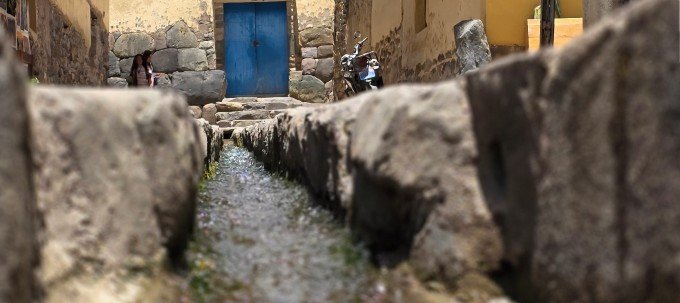
While many travelers spend less than one hour visiting the archaeological site, few realize that the entire town itself was designed by the Incas and still preserves original streets, water channels, and foundations that remain in daily use today.
Ollantaytambo is also a strategic hub of the Sacred Valley, connecting Cusco, the Inca Trail, and Machu Picchu by rail.
Historical Importance of Ollantaytambo
What Was the Historical Importance of Ollantaytambo?
Long before the rise of the Inca Empire, the Urubamba Valley was already inhabited by advanced pre-Inca cultures that developed agriculture, animal domestication, and early Andean construction techniques. The Incas later perfected and monumentalized these foundations.
Pre-Inca Cultures in the Ollantaytambo Area
Chanapata Culture (800 BC – 200 AD)
- Early agricultural society
- Introduced basic terrace farming
- Foundation of later Andean agriculture
Marcavalle Culture (200 – 900 AD)
- Improved agricultural systems
- Early inter-valley road networks
Wari Influence (600 – 1000 AD)
- Advanced water management
- Early urban planning concepts
Killke Culture (900 – 1200 AD)
- Direct predecessors of the Incas
- Defensive structures and terraces
- Foundations later reused by the Inca state
Inca Ceremonial, Astronomical, and Urban Center
Ollantaytambo became one of the most complex ceremonial and administrative centers of the Inca Empire under Pachacútec.
The Temple of the Sun (Templo del Sol)
One of the most impressive stone constructions in Peru, formed by six massive monoliths, each weighing over 60 tons and transported from the Cachicata quarry.
- Perfect stone fitting without mortar
- Aligned with the June solstice
- Sunrise illuminates the temple directly
- Shadow projection forms the face of the Andean deity Tunupa
The Temple of the Sun can be visited independently or as part of a Sacred Valley tour with connection to Machu Picchu.
The Water Temple
A sophisticated ceremonial water system used for purification rituals, comparable to those found in Machu Picchu.
The Ten Niches (Las Diez Ventanas)
Astronomical observation structure aligned with solar cycles and agricultural seasons.
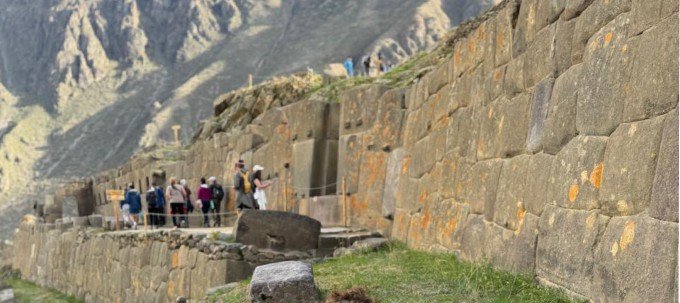
Intihuatana of Ollantaytambo
A sacred solar marker used to control agricultural calendars and seasonal transitions.
Inca Engineering: A Model of Imperial Urban Planning
Ollantaytambo represents the best-preserved example of Inca urbanism:
- Original stone streets
- Hydraulic channels still functioning
- Advanced drainage systems
- Residential compounds with original foundations
Many scholars consider Ollantaytambo even more structurally organized than Machu Picchu.
Ollantaytambo After the Spanish Conquest
The Battle of Ollantaytambo (1537)
Ollantaytambo was the site of the only major Inca military victory against the Spanish during the conquest.
Manco Inca used:
- Agricultural terraces as defensive walls
- Water diversion to flood Spanish advances
- Elevated positions for coordinated attacks
Ollantaytambo Today: A Living Inca Town
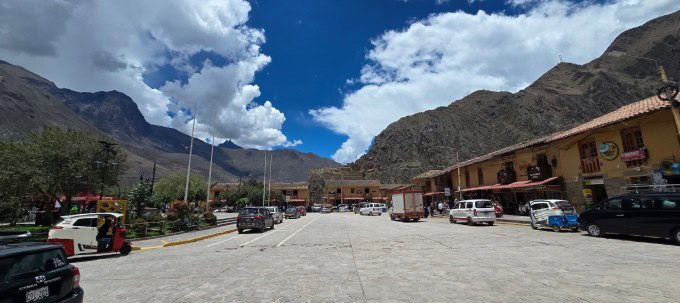
Today, Ollantaytambo is the only place in Peru where you can walk daily through original Inca streets, see water flowing through ancient channels, and sleep in buildings with 15th-century foundations.
Ollantaytambo as the Gateway to Machu Picchu.
Ollantaytambo is the main logistical gateway to Machu Picchu:
- PeruRail main station
- Inca Rail main station
- Starting point of the 4-day and 2-day Inca Trail
- Natural connection between the Sacred Valley and Machu Picchu
safe private transfer to Ollantaytambo train station
Why You Should Stay in Ollantaytambo
Most tours leave after visiting the ruins. Staying longer allows you to experience:
- Pinkuylluna granaries hike
- Tunupa mountain face observation
- Sunrise and sunset ceremonies
- Local markets and Andean cuisine
- Peaceful mornings without crowds