
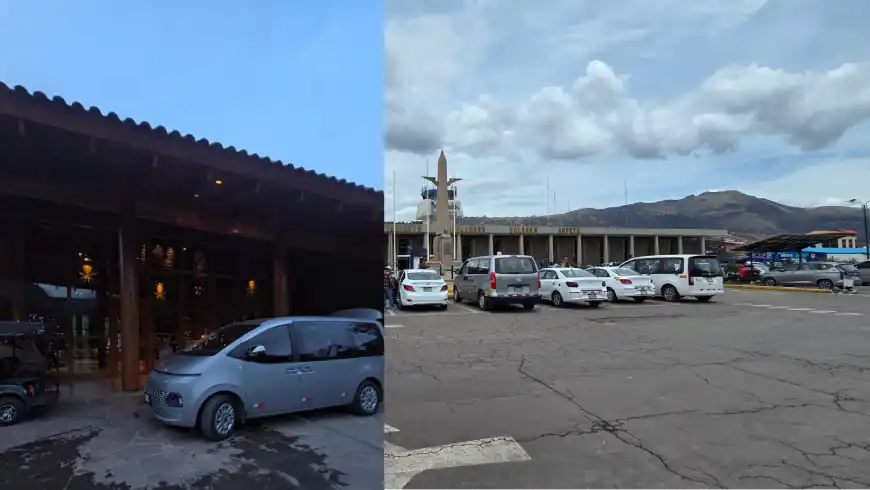

Arriving in Cusco is not just another airport experience. The moment you step outside, you are already at more than 3,400 meters above sea level, and your body begins to react immediately.
Because of this, one of the most important decisions travelers face is not where to go next, but how to organize their first hours after landing.
Many visitors assume they should stay in Cusco for the first night. However, from daily experience working with travelers arriving in the city, we consistently see a different pattern.
More and more travelers choose to go directly from Cusco Airport to the Sacred Valley.
The reason is not only logistical. It is physical.
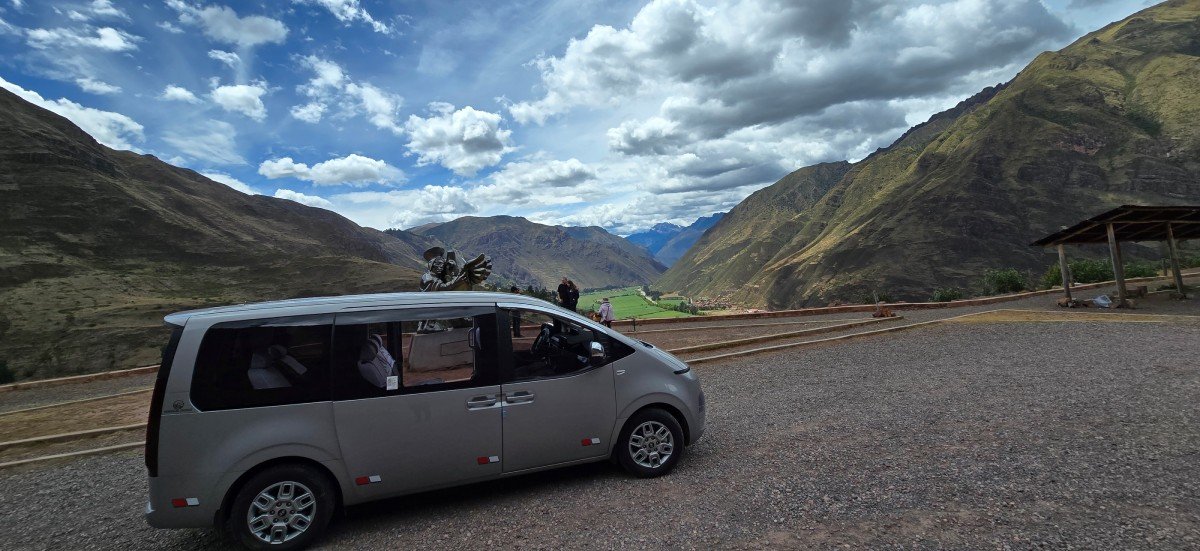
Why Going Directly to the Sacred Valley Makes a Real Difference
Cusco sits at a significantly higher altitude than the Sacred Valley. While Cusco reaches around 3,400 meters, areas like Urubamba and Ollantaytambo range between 2,700 and 2,900 meters.
This difference, although not dramatic on paper, has a noticeable effect in real conditions.
Travelers who stay in Cusco immediately after arrival often experience:
fatigue
mild headaches
shortness of breath
In contrast, those who travel directly to the Sacred Valley usually report a smoother first night and better initial adaptation to the altitude.
Because of this, going directly to the valley is no longer an alternative. It has become a strategy.
What the Journey Actually Looks Like After Landing
The route from Cusco Airport to the Sacred Valley typically takes between one hour and forty minutes and two hours.
However, what matters is not just the duration, but how the journey unfolds.
After leaving the airport, the road crosses the outskirts of Cusco before entering Andean landscapes, small communities, and mountain roads that gradually descend into the valley.
At this point, travelers are usually tired from flights and adjusting to altitude.
Simple logistical decisions, such as finding transportation or coordinating routes, can feel more complicated than expected.
This is where planning ahead begins to make a clear difference.
Transportation Options: What Works in Real Conditions
In theory, there are several ways to reach the Sacred Valley. In practice, not all of them work well after landing.
Local taxis are available at the airport. However, fares must be negotiated, and not all drivers are willing to travel long distances such as Urubamba or Ollantaytambo. In addition, availability can vary depending on arrival time.
Ride-sharing services may appear as an option, but in real situations, drivers often cancel longer routes once they see the final destination.
Public transportation exists, but it requires leaving the airport area, finding local terminals, and adapting to fixed schedules. After a flight, this quickly becomes physically demanding.
Because of these limitations, many travelers choose to organize their journey in advance with a private transfer from Cusco Airport to the Sacred Valley, allowing them to move directly from the airport to their hotel without delays or negotiation.
When Going Directly to the Sacred Valley Is the Best Choice
This option works particularly well in specific scenarios.
Travelers planning to visit Machu Picchu shortly after arrival benefit from staying in the Sacred Valley, especially in Ollantaytambo, where the train station is located.
Those arriving in the morning or early afternoon also find it easier to travel directly to the valley, as daylight conditions make the journey more comfortable.
In these situations, going directly to the Sacred Valley simplifies the itinerary and reduces unnecessary movement between destinations.
When Staying in Cusco First May Still Make Sense
Although going directly to the Sacred Valley is often recommended, it is not always the best option.
Travelers arriving late at night may prefer to stay in Cusco and continue the journey the following day.
Weather conditions can also influence the decision. On rare occasions, fog or heavy rain may affect visibility on mountain roads, making some travelers more comfortable postponing the transfer.
The key is to adapt the decision to the arrival time and physical condition after the flight.
Local Insight: What Most Travelers Don’t Expect
From daily coordination of airport transfers in Cusco, one pattern appears consistently.
Travelers do not struggle with distance. They struggle with timing and logistics after landing.
Those who arrive without a clear plan often spend time negotiating transport, waiting for availability, or dealing with unnecessary steps while already feeling the effects of altitude.
On the other hand, travelers who organize their transfer in advance move directly from the airport to their destination, reducing stress and starting their journey in a more controlled way.
Final Answer: Should You Go Directly to the Sacred Valley?
In most cases, yes.
Going directly from Cusco Airport to the Sacred Valley allows you to adapt more comfortably to altitude, reduce logistical stress, and start your itinerary more efficiently.
The decision is not only about transportation.
It is about how you begin your experience in the Andes.
If you want to avoid negotiating transportation after landing and ensure a smooth journey from the airport to your hotel, many travelers choose to arrange a private transfer from Cusco Airport to the Sacred Valley, allowing them to travel comfortably from the moment they arrive.

(FAQs)
Yes, in most cases. The Sacred Valley sits at a lower altitude than Cusco, which helps travelers acclimatize more comfortably after arrival.
The journey usually takes between 1 hour 40 minutes and 2 hours, depending on traffic and your final destination.
Yes, but availability is not always guaranteed and prices must be negotiated. Many travelers prefer arranging transport in advance.
A pre-arranged transfer is the most reliable option, as it allows you to travel directly without delays or uncertainty.
Yes, it is safe. In fact, many travelers find it easier due to the lower altitude compared to Cusco.
If you plan to take the train to Machu Picchu, going directly to Ollantaytambo can simplify your itinerary and reduce travel time the next day.