
Traveling to Cusco (3,399 m / 11,152 ft above sea level) is an unforgettable experience. However, altitude sickness in Cusco, also known as soroche, can seriously affect the start of your trip if you don’t prepare properly.
The key is not physical strength — it’s smart acclimatization and good logistics.
What Is Altitude Sickness in Cusco and Why Does It Happen?
Altitude sickness occurs when the body does not adapt quickly enough to the lower oxygen levels found at high elevations, usually above 2,800 meters (9,186 ft).
Cusco receives direct flights from sea-level cities, causing a sudden altitude change that especially affects international travelers.
Altitude sickness is not a myth – it is a natural physiological response to high altitude.
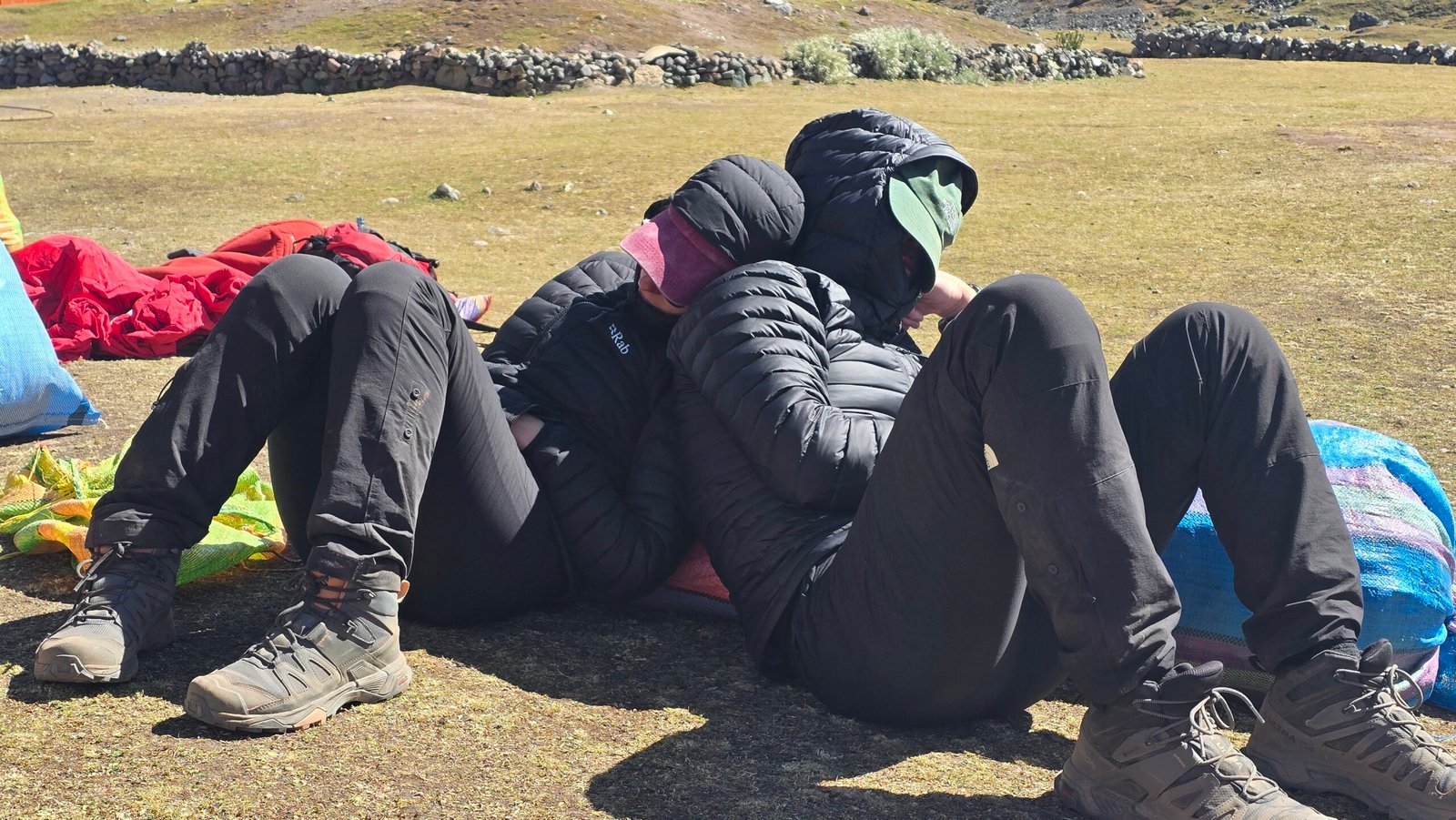
Common Symptoms of Altitude Sickness
The most frequent symptoms include:
- Headache
- Nausea or vomiting
- Extreme fatigue
- Dizziness or disorientation
- Loss of appetite
- Shortness of breath while walking
These symptoms usually appear within the first 24 hours after arrival in Cusco.
How to Avoid Altitude Sickness in Cusco (Recommended Strategy)
Gradual Acclimatization: The Golden Rule
The most effective way to prevent altitude sickness is not sleeping in Cusco on your first night.
Instead, descend to a lower altitude to allow your body to adapt naturally.
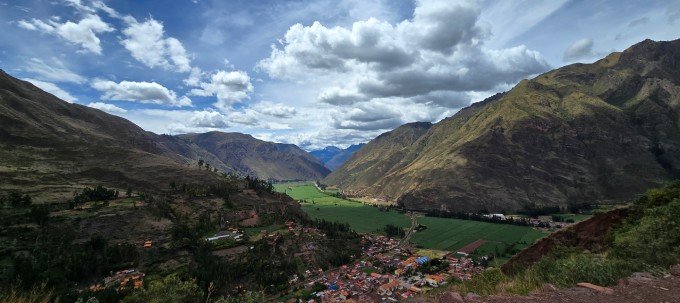
The Sacred Valley (Urubamba or Ollantaytambo) sits between 2,700 and 2,800 meters, making it the ideal place to acclimatize.
Stay Well Hydrated.
Eat Light Meals.
- Soups
- Vegetables
- Easily digestible foods
- Avoid heavy or greasy meals
Medication and Oxygen Support.
- Medications like acetazolamide may help (medical consultation recommended)
- Supplemental oxygen can be very helpful for mild symptoms
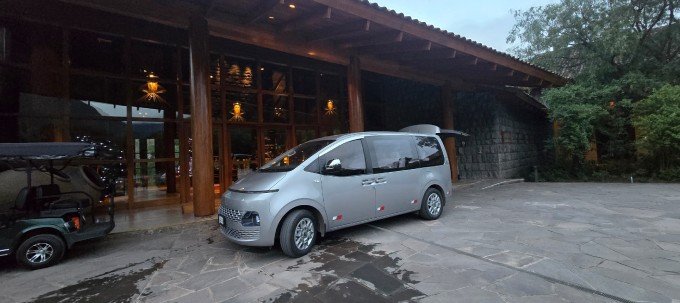
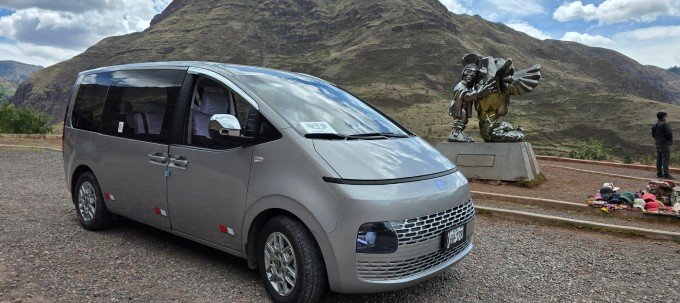
At Safe Transport Cusco, our vehicles are equipped with oxygen for mild altitude-related emergencies during transfers.
Sacred Valley vs Cusco: Acclimatization Comparison
| Strategy | Altitude | Effect on the Body |
|---|---|---|
| Fly to Cusco + overnight in Cusco | 3,400 m | Higher risk of altitude sickness |
| Fly to Cusco + direct transfer to Sacred Valley | 2,700–2,800 m | Gradual and natural acclimatization |
Conclusion: Staying in the Sacred Valley significantly reduces altitude sickness symptoms.
Strategic Transfer to the Sacred Valley: Part of Prevention
A direct, comfortable transfer is essential to avoid unnecessary physical effort. with our private transfer from Cusco to the Sacred Valley:
Benefits:
- Less physical stress
- Direct ride without stops
- More rest after arrival
- Safety and oxygen onboard
Before Visiting High-Altitude Attractions
Before visiting high-altitude attractions such as:
- Rainbow Mountain (Vinicunca)best visited after proper acclimatization with a Rainbow Mountain tour from Cusco
- Humantay Lake. recommended after spending at least one night in the Sacred Valley with a Humantay Lake tour
- Machu Picchu. especially when combined with long travel days or hikes, ideally with a private Machu Picchu tour from Cusco
Final Thoughts: Prevention Is the Key
Avoiding altitude sickness in Cusco is not about luck — it’s about planning wisely.
Proper acclimatization, rest, hydration, and reliable transportation will make the difference between struggling with soroche and fully enjoying your trip.